
 First Aid
 Fire Safety
 Health and Safety
 Manual Handling
 Mental Health First Aid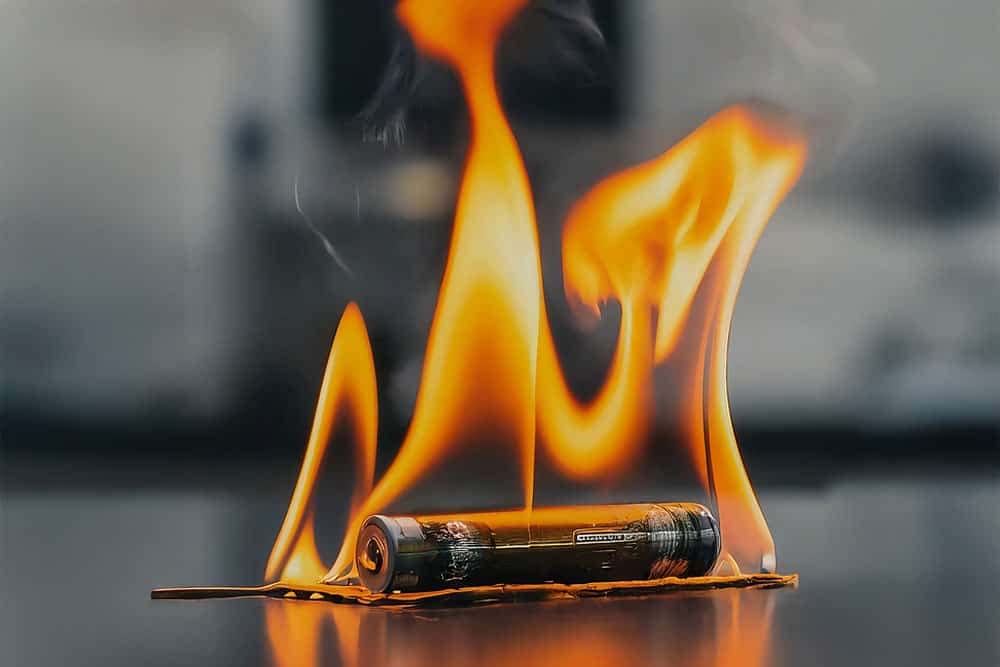
From rechargeable power tools in South Lanarkshire workshops to staff commuting into Glasgow or Edinburgh on e-bikes and e-scooters, lithium-ion batteries power modern working life. They are lightweight, energy-dense, and reliable under normal conditions.
However, they also present a rapidly growing, volatile hazard: thermal runaway.
For employers, building managers, and appointed fire wardens across the UK, managing lithium-ion battery fire risk is no longer optional—it is a critical part of your statutory duty under the Fire (Scotland) Act 2005 and the Regulatory Reform (Fire Safety) Order 2005.
What Causes Lithium-Ion Battery Fires in the Workplace?
Unlike traditional fires involving wood or paper, lithium-ion battery blazes are chemical chain reactions. When a cell suffers physical damage, overcharging, manufacturing defects, or extreme heat, it can enter thermal runaway.
Once thermal runaway begins:
- Internal temperatures can exceed 600°C to 1,000°C within seconds.
- The battery releases toxic, flammable gases (including hydrogen fluoride and carbon monoxide).
- The fire generates its own oxygen supply, making standard suppression methods far less effective and causing violent flare-ups or explosions.
In a commercial environment, risks typically stem from three everyday culprits:
- E-Bikes and E-Scooters: Commuters charging personal light electric vehicles (LEVs) inside offices, hallways, or near fire exit routes using non-OEM (aftermarket) chargers.
- Cordless Power Tools: Heavy-duty batteries dropped on construction sites, stored in hot vans, or charged in bulk on multi-gang extension leads.
- Office Tech & Handheld Terminals: Laptops, tablets, scanners, and two-way radios left continuously plugged in on soft, insulating surfaces.
5 Practical Steps to Mitigate Battery Risks Under UK Safety Law
To ensure your workplace complies with Health and Safety Executive (HSE) guidance and UK fire legislation, integrate these five preventative measures into your daily operations:
1. Update Your Workplace Fire Risk Assessment
Your Fire Risk Assessment (FRA) must formally evaluate battery storage and charging areas. Identify all points where devices are charged, audit the condition of equipment, and ensure high-risk charging does not take place in designated escape corridors or stairwells.
2. Establish a Dedicated Charging Policy
Ban the charging of personal e-bikes, e-scooters, and uninspected personal electronics within general office spaces. If you accommodate electric commuters, designate a dedicated, well-ventilated external charging point or a fire-resistant store isolated from key escape routes.
3. Use Manufacturer-Approved Chargers Only
A leading cause of thermal runaway is voltage mismatch caused by cheap third-party replacement chargers. Enforce a strict policy requiring original equipment manufacturer (OEM) chargers, and ensure all charging equipment undergoes regular Portable Appliance Testing (PAT).
4. Implement Safe Battery Storage Protocols
- Never charge batteries unattended overnight or over weekends.
- Store commercial batteries in rated fire-resistant charging cabinets or Li-Po safety bags.
- Immediately quarantine any battery exhibiting signs of damage, swelling, hissing, chemical odour, or excessive heat.
5. Equip Appointed Fire Wardens with Specialised Knowledge
Standard water or CO₂ extinguishers are often ineffective against deep-seated lithium battery fires. Workplace Fire Wardens must understand the specific warning signs of thermal runaway, know when specialized suppression agents (like Lith-Ex / AVD) apply, and prioritize rapid building evacuation over tackling chemical blazes directly.
Protect Your Team with Certified Fire Safety Training
Technology continues to evolve, and workplace fire hazards evolve with it. Ensuring your staff understand modern fire dynamics protects not only your legal compliance, but human lives and business continuity.
Synergy Training Services delivers accredited, practical Fire Safety and Fire Warden Training across Hamilton, Glasgow, Edinburgh, and the wider Scottish Central Belt. We provide your designated wardens with the real-world skills needed to identify emerging hazards, inspect protective measures, and lead swift evacuations during an emergency.
Is your workplace prepared for modern fire hazards? C


